You’ve probably heard that tomatoes and basil are the perfect garden roommates, but do you know why they’re so compatible? Companion planting’s not just an old-garden myth handed down through the ages; there’s real science behind these plant couples. When you learn how plants can enhance or pull back from one another, you’ll find the secret to healthier gardens, greater yields, and fewer pest problems without chemicals.
The Actual Science of Plant Partnerships
Companion planting occurs because of a number of interesting mechanisms. A few plants emit natural chemicals via their roots that help the plants around them or keep damaging bugs away. Others offer physical advantages such as shade, wind shelter, or structural reinforcement.
The most thrilling findings concern allelopathy – chemical communication among plants. When basil is planted alongside tomatoes, it exudes chemicals that can enhance the taste of the tomato while repelling pests such as aphids and hornworms. Not a garden myth, but quantifiable plant chemistry in action.
Certain companions also work on the basis of drawing beneficial insects. Marigolds and nasturtiums, for instance, draw predatory insects that love to munch on garden bugs, creating a natural pest control system that covers your entire garden.
Read More: Best Shade Plants for Every Climate Zone
Time-Tested Pairings That Actually Work
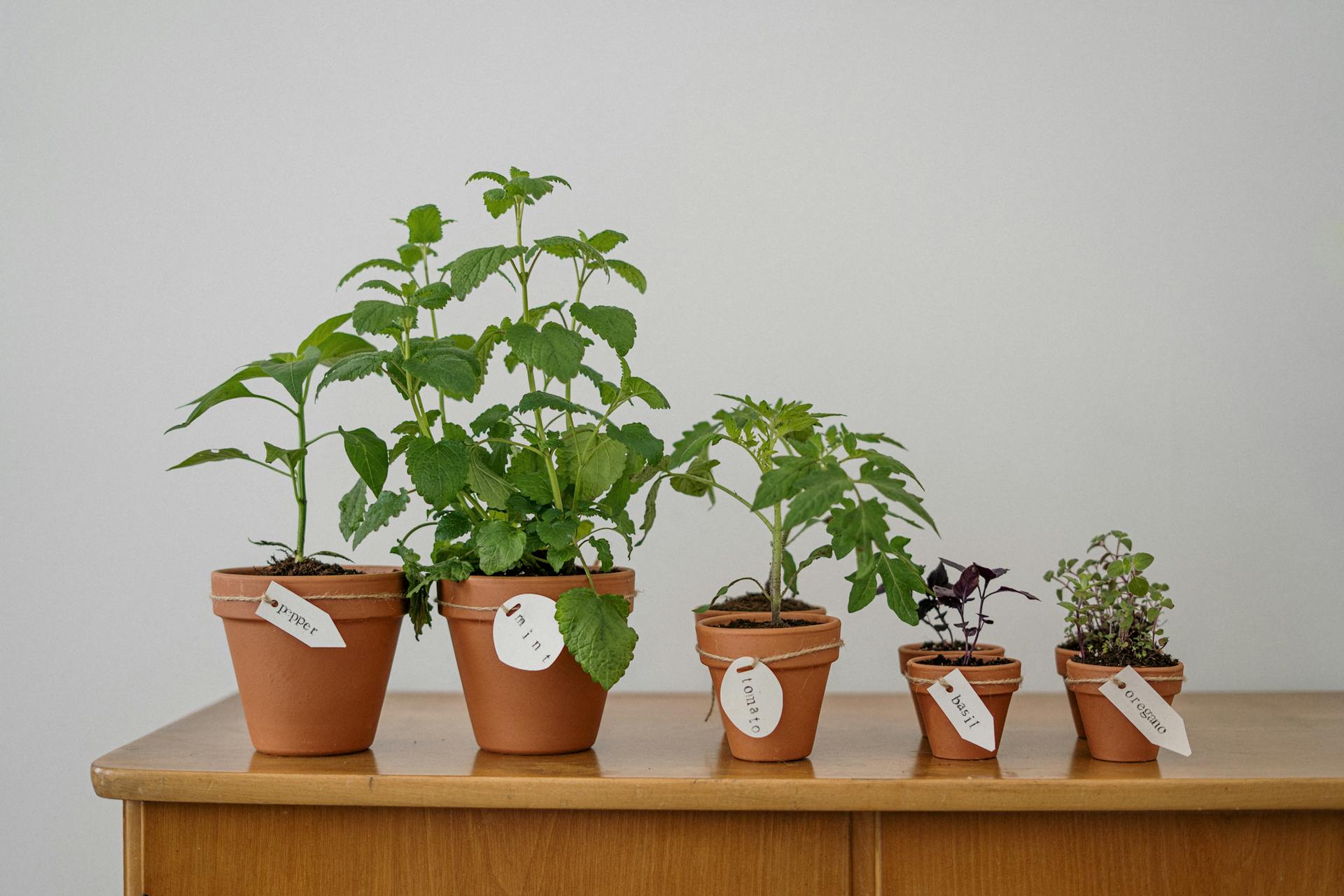
The classic tomato and basil combination works because the pungent-smelling oils in basil confuse insects that would otherwise harass tomatoes. And basil doesn’t compete for the same nutrients in the ground, so it won’t steal from your tomatoes.
Carrots and onions are another great pair. The strong odor of onions masks the sweet carrot smell that attracts carrot flies, and the taproots of the carrots till the soil for the shallow root systems of the onions. They’re really thriving better together.
The “Three Sisters” crop of corn, beans, and squash is among the most sophisticated companion systems. The stalks of corn provide climbing beans with something to climb on, beans fix atmospheric nitrogen into a form usable by the corn and squash, and squash leaves spread out on the ground to retain moisture and suppress weed growth. It’s a time-honored example of plants working together in harmony.
Read More: 12 Easy-to-Grow Vegetables Perfect for Beginners
More Winning Combinations for Your Garden
Lettuce appreciates growing in the shade of larger plants such as broccoli or Brussels sprouts, which filter enough light to prevent lettuce from bolting in hot summer weather. At the same time, the lettuce serves as a living mulch, shading and cooling the soil.
Plant nasturtiums with cucumbers, squash, and melons; these showy flowers are trap crops that attract cucumber beetles away from your valuable veggies. And nasturtium flowers are even edible, with a spicy flavor to add to salads.
Marigolds aren’t just pretty; they release chemicals that repel nematodes and other soil-dwelling insects. Plant them around your whole vegetable bed for organic protection that even improves soil health in the long term.
Combinations to Avoid at All Costs
Some of these plant combinations bring more disease than benefit. Never plant black walnut trees near tomatoes, peppers, or potatoes; walnut roots exude juglone, a poisonous chemical to these members of the nightshade family.
Fennel is notorious for inhibiting the growth of most vegetables, so give it its own special spot away from your main bed gardens. And keep mint contained, its aggressive spreading can overtake and dwarf nearby plants.
Don’t grow onions with beans or peas, though, since onions inhibit the legumes’ ability to fix nitrogen. This eliminates one of the greatest benefits of growing beans and peas in your garden.
Starting Out With Companion Planting
Start with a few proven pairings and don’t try to revamp your garden entirely. Tomato and basil are a good choice for a beginner, and carrot and onion are a good pair to use in all but the hottest climates.
Keep a garden journal, noting which combinations function best under your own conditions. Soil type, climate, and local pest pressure all influence the success of companion plantings.
Remember, companion planting is about creating plant communities that coevolve together. When you work with these plant relationships instead of against them, you’re creating a stronger, more productive garden that much of the time tends itself.