Have you ever walked into a room and felt invigorated instantly, without knowing why? The secret is in the colors you see. Color psychology isn’t hype; it’s a science that affects how we feel, how energetic we are, and even how well we sleep. Understanding how different colors influence our mood can make your home an extremely well-designed haven that makes life better for you every day.
The Mechanism Through Which Color Actually Affects Your Brain
Colors create psychological and physiological responses through cultural association and through biological reaction. Warm colors like red and orange excite the nervous system, increasing heart rate and causing one to feel energized and excited. Cool colors like blue and green have an opposite effect and are relaxing and lower blood pressure.
But the interesting thing is that such effects come about subconsciously. You’re already responding to color before you even realize it. That’s why it’s so crucial to get the color scheme for your house right for your day-to-day well-being.
Living Room: Your Social Hub
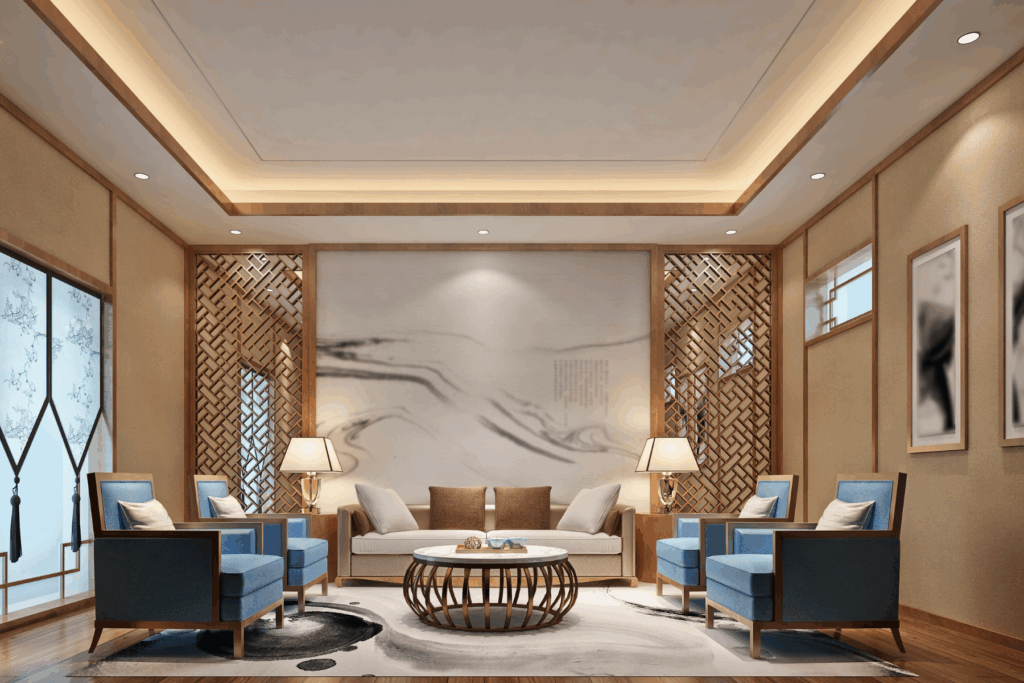
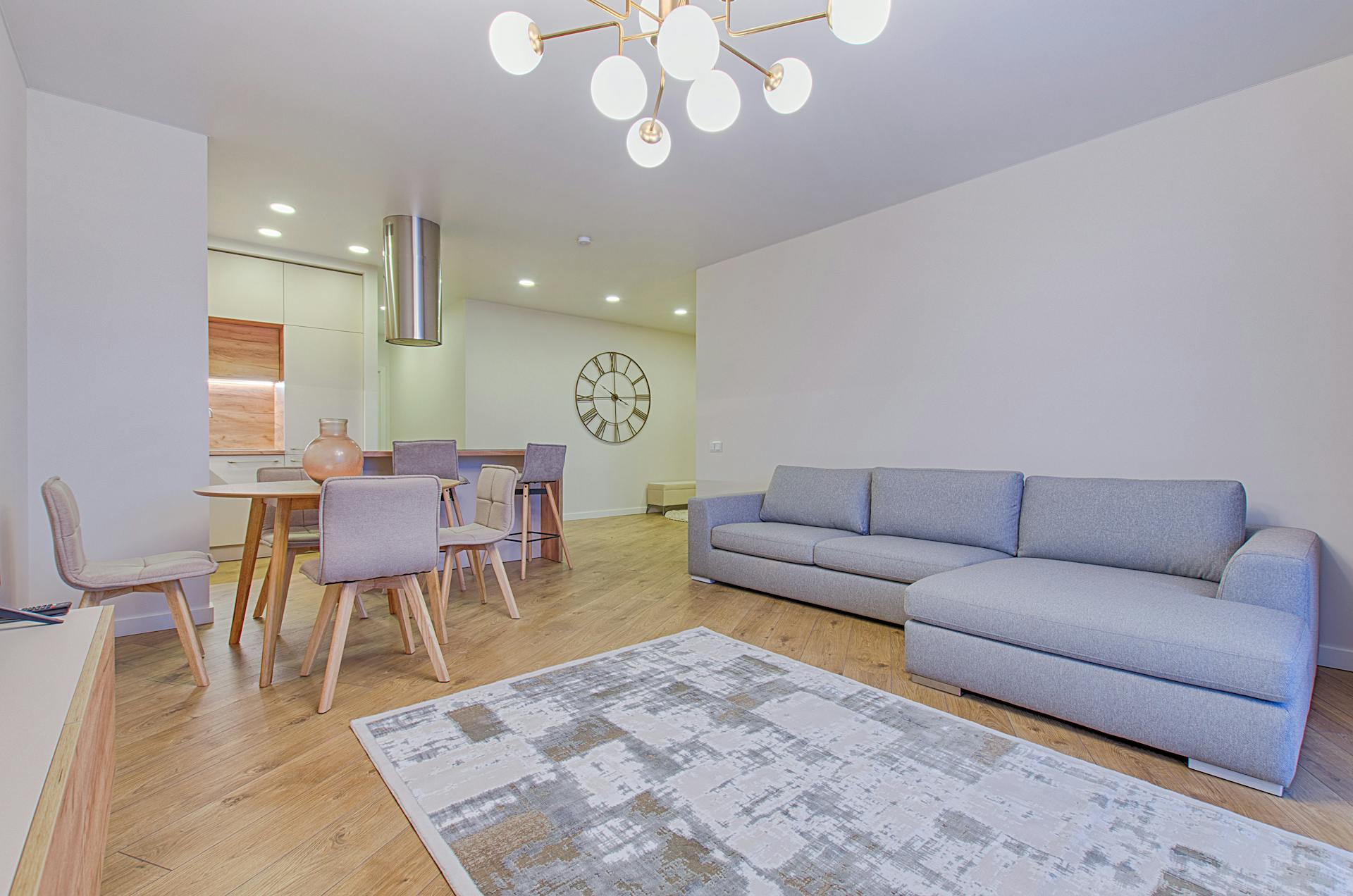
Since your living room is home to everything from family movie nights to dinner parties, you’d like colors that are inviting and versatile. Warm neutrals like pale beiges, warm grays, and cream provide a cozy backdrop that makes all your guests feel comfortable.
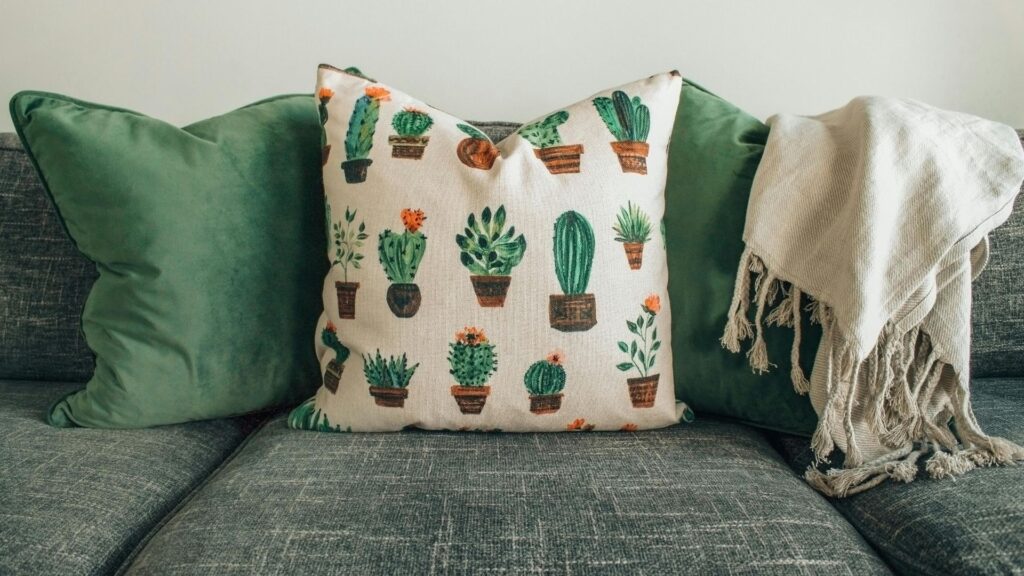
If you must add some personality, consider sage green for its relaxing yet sophisticated quality, or dusty blue for a subtle sense of calm that will never be cold. Both of these colors are lovely in pictures, too perfect for those Instagram moments we all secretly crave.
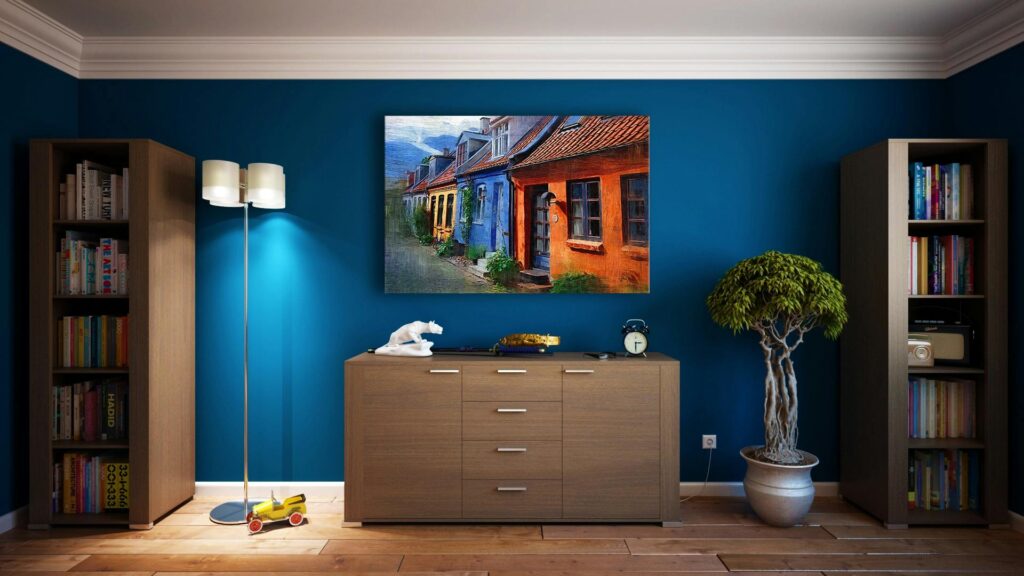
Avoid bold oranges or reds as background colors here; they overwhelm in quiet moments, although they are beautiful as accent colors in art or throw pillows.
Read More: Mixing Modern and Vintage Decor: A Beginner’s Guide
Bedroom: Your Sanctuary
Your bedroom is where you should promote sleepiness and closeness, so calm and cool colors are your best friends. Soft blue has been clinically proven to slow the heart rate and lower blood pressure, making it ideal for enhanced sleep quality. My personal favorites are always pale blues, lavender, or sage green for master bedroom color schemes.
Warm neutrals like mushroom gray or soft taupe are also an excellent choice, especially when paired with white bedding and natural wood trim. These create a warm cocooning feel without stimulating too much.
Steer clear of bright yellows or strong greens in bedrooms; they’re too stimulating and will break your sleep pattern.
Read More: How to Make a Small Space Feel Bigger
Kitchen: Where Energy Meets Nourishment
Kitchens are brightened up by colors that stimulate appetite and conversation, and maintain the atmosphere clean and fresh. Warm whites and soft yellows give a welcoming ambiance that’s both clean and lively. The colors also reflect light superbly, making your kitchen feel larger and brighter.
For a more sophisticated look, use sage green or dusty blue. These colors are new and modern but warm enough to encourage gathering and cooking ingenuity.
Home Office: Focus and Productivity
Your working area needs colors that induce focus without resulting in exhaustion. Green is astoundingly effective here since it reduces eye strain and enhances concentration. That is why we call relaxing areas “green spaces.”
Soft blues also suit offices because they promote easy concentration and reduce stress. If you prefer neutrals, use cooler grays rather than warm beiges because they will not make you sleepy when you sit for hours working.
Bringing It All Together
Remember that you can introduce these colors into your home without painting whole rooms with them; you can bring them in through items such as textiles, art, and accessories. The idea is to find a cohesive flow in your home without getting overwhelmed by each individual room’s function.
Start with one room, observe for a few weeks how the colors play on you, and then experiment with an expanded color palette. Your house must work for you, not against.
Read More: Decorating With Plants: The Best Indoor Greenery for Every Room