Your garden does not have to fall to the first frost. With a handful of cheap devices like cold frames and row covers, you can keep on picking fresh produce weeks or even months beyond nature’s plan. These cost-effective techniques protect your plants from harsh weather while creating mini-greenhouse conditions that extend your growing season naturally.
We’ve all witnessed lovely plants get frozen out by a surprise cold snap. But resourceful gardeners have the secret: protection is key to all the difference between a September season-ending and one that persists until December.
Cold Frames: Your Garden’s Winter Shield
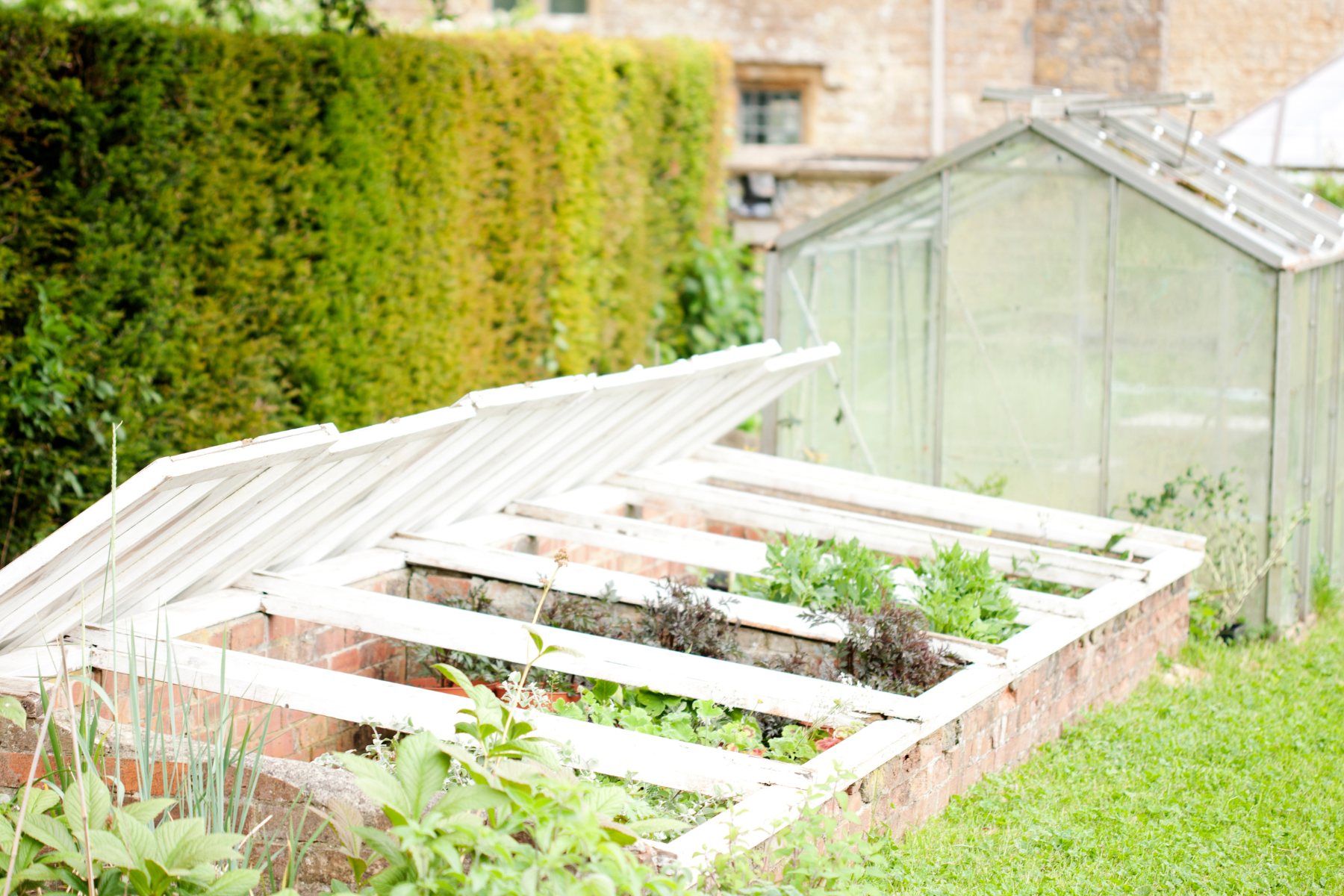
Cold frames are small greenhouses that capture the sun’s heat during the day and slowly release it during the night. You can construct one from reused windows and reclaimed lumber, or buy preconstructed ones that are installed in minutes.
The most critical aspect is orientation. Orient your cold frame south to get the maximum sunlight, and angle the top slightly for better light collection and water runoff. Inside, you will create a microclimate that’s 10-20 degrees warmer than the temperature outside.
Start your cold frame adventure with resilient greens like spinach, lettuce, and kale. These grow better after light frosts, actually becoming sweeter in flavor, and they’ll be thriving in your covered space well into winter. You can even start seedlings for next year when snow covers the rest of your garden.
Read More: Best Shade Plants for Every Climate Zone
Row Covers: Adjustable Protection That Follows You
Row covers offer the flexibility cold frames don’t. They are lightweight materials that cover plants or drape over hoops to offer immediate protection that you can readily adjust to meet your requirements. When the weather takes an unexpected plunge, you’re ready in minutes, not hours.
Use floating row covers for ultimate flexibility—the sheets sit directly on plants and float up as crops grow. Use simpler protection by making hoops out of PVC pipe or metal conduit, then covering the hoops with the fabric. This method is especially good to use with taller plants like tomatoes or peppers.
Read More: Best Composting Setups for City and Suburban Homes
Timing Your Season Extension Strategy
Timing is everything with cold frames and row covers. Start covering sensitive plants before the temperature becomes an issue—usually when evening temperatures fall to around 40°F. Gradually adding coverings permits plants to acclimate rather than shocking them with abrupt cover.
For autumn gardens, start succession planting 60-90 days before your initial predicted frost. Sow cold-tolerant varieties that acclimate to cool conditions naturally, with additional protection as temperatures get lower. You’ll be harvesting fresh greens all winter while your neighbors make do with grocery store options.
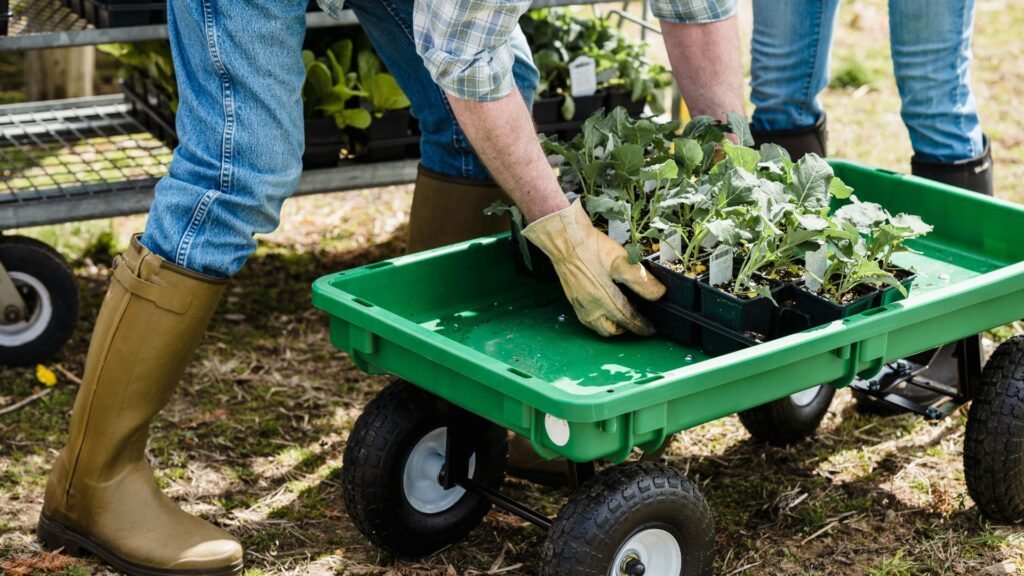
Spring extension works in reverse. Utilize your cold frame to start seeds 4-6 weeks before regular outdoor planting. Transplanting through row covers allows seedlings to be moved out weeks prior to the final frost date, thus giving a significant early start.
Maximizing Your Investment
These inexpensive devices pay for themselves in no time through longer harvests and earlier spring planting. Think about the larger picture: continuous fresh produce, lower grocery costs, and the delight of outwitting Mother Nature. Your neighbors will be asking themselves how you’re continuing to harvest salad greens while they’re scraping off their windshields.
Astute gardeners don’t battle the seasons; instead, they cooperate with them with equipment that turns cold temperatures into an asset instead of a hindrance. Begin with the basics, remain consistent, and extend your growing season past what you imagined possible.
Read More: Summer Gardening Mistakes to Avoid