Your monthly energy bills don’t have to feel like a second mortgage payment. Smart energy-efficient upgrades can slash your utility costs while adding real value to your home. The best part? Many improvements literally pay for themselves through savings, making them investments rather than expenses.
We’ve all opened electricity bills with that familiar sinking feeling. Smart homeowners know the secret: the right upgrades create long-term savings that compound month after month.
LED Lighting: The Quickest Win
Switching to LED bulbs offers the fastest payback of any energy upgrade. Quality LEDs use 75% less energy than incandescent bulbs and last 25 times longer. Each LED bulb saves $55 to $80 over its lifetime.
The math is simple: spend $5-8 per LED bulb and recover costs within 6-8 months through lower electricity bills. For a typical home with 40 fixtures, you’re looking at $200-300 upfront that pays itself back within a year.
Start with your most frequently used lights—kitchen, living room, and bedroom fixtures that are used for several hours daily. These deliver maximum savings impact immediately.
Read More: Is a Smart Thermostat Worth It in 2025?
Insulation: The Silent Money Saver
Proper insulation works 24/7, reducing heating and cooling expenses. Attic insulation installation typically runs $1,500-3,000 but pays back 15-30% in energy savings. You’ll recoup your cost in 3-5 years by reducing HVAC usage.
Check your attic insulation depth—if it’s less than 10-12 inches, you’re wasting money each month. Sealing air leaks around windows and outlets provides even faster returns, typically paying back in 12-18 months.
Don’t omit basement insulation. These areas are a big area of heat loss and can add main floor comfort year-round.
Read More: Should You DIY or Hire a Pro for Home Repairs?
Energy-Efficient Windows: Long-Term Investment
New single-pane window replacement costs $300-800 per window but saves 12-33% in heating and cooling costs. Most homeowners recover their investment in 8-12 years, sooner in extreme climates with high energy costs.
Look to ENERGY STAR-certified windows with low U-factors in your climate zone. Add increased home value and greater comfort to the mix, and the investment is even more appealing.
Smart Replacements: High-Efficiency Appliances
When appliances break down, it pays dollars and cents to replace them with energy-efficient models. ENERGY STAR refrigerators use 40% less energy than those built in 2001. Water heaters that are high-efficiency save 20-50% on heating costs.
A new ENERGY STAR washer can save $40-50 per year over the standard model. Over 11 years, that is $440-550 in saved money. Add in rebates and tax credits, and efficiency premiums usually vanish into thin air.
Wait until a replacement is needed, then pick the most efficient one available.
Smart Thermostats: Technology That Saves
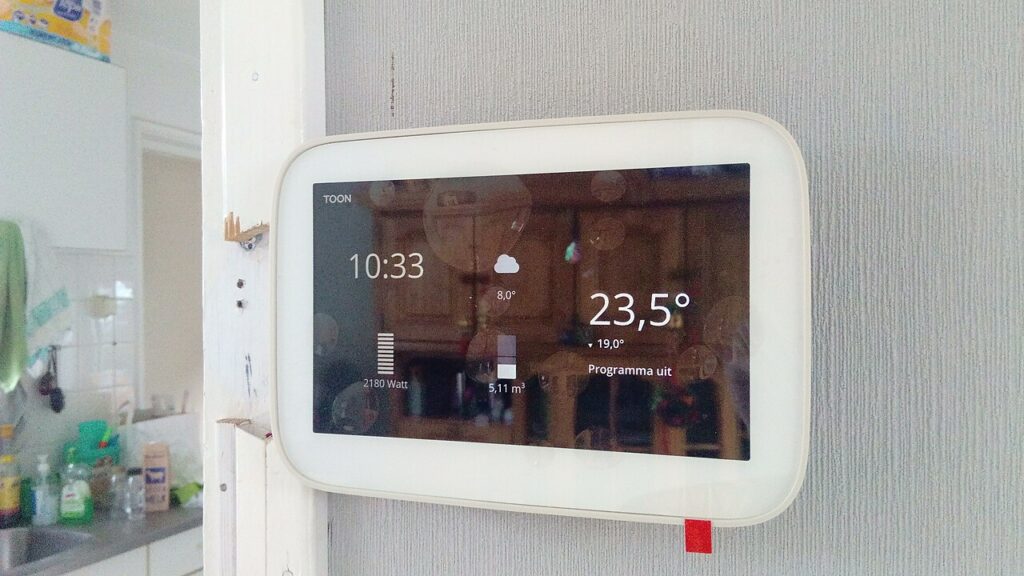
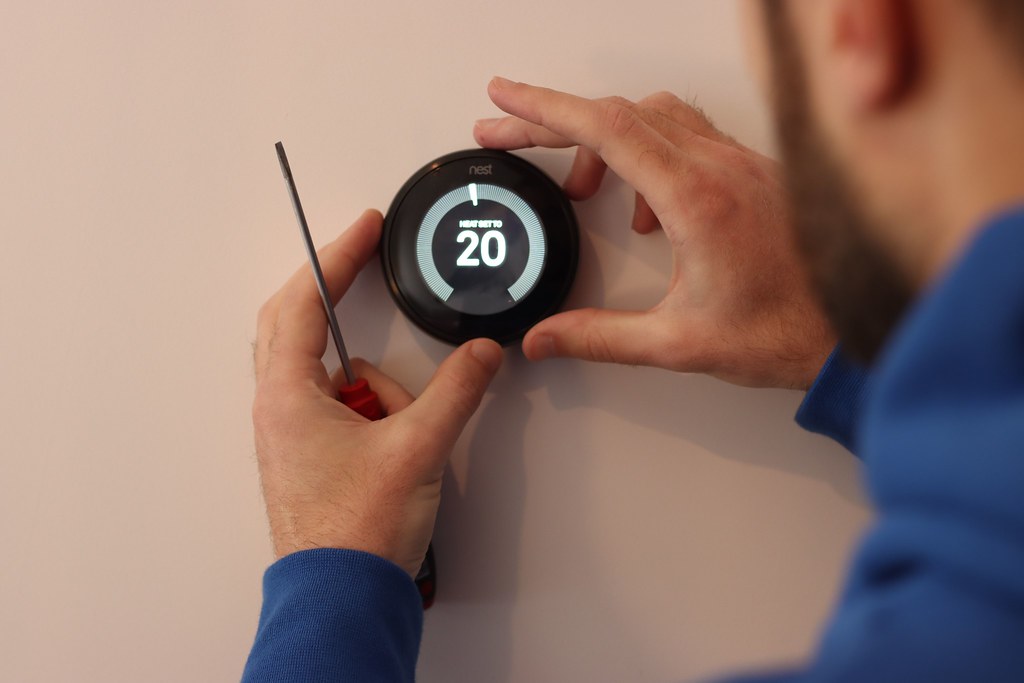
Smart thermostats cost $100-250 but save 10-15% on heating and cooling bills. For households that pay $1,200 a year for HVAC, that’s $120-180 in saved money each year.
They adapt to your schedule, reducing temperatures when you’re not home on auto. Utilities rebate most of them, so payback is 6-12 months.
Your Energy Investment Strategy
The wisest plan cross-prioritizes upgrades. Start with LED light bulbs for immediate gratification, add insulation for large ongoing savings, and tackle larger investments when they are needed based on replacement necessity.
Take advantage of utility energy audits that point out your home’s largest inefficiencies. Take advantage of available rebates, tax credits, and financing options that improve project economics.
Energy-efficient upgrades give homes a comfortable and eco-friendly edge. Start with quick wins, attack bigger projects with strategy, and watch energy bills plummet while home value soars.
Read More: Solar Power at Home: When Does It Pay Off?