Four-legged family members don’t need to have a dirty home. Pet-friendly cleaning encompasses several techniques, but the right techniques keep your house smelling clean and pet-friendly for both humans and pets. The trick is using safe cleaners that combat pet problems without injuring your beloved pets.
You’ve seen guests wrinkle their noses at your pet-friendly houses. Savvy pet owners possess the secrets of remaining fresh without sacrificing animal health.
Safe Cleaning Products That Work
Traditional cleansers harbor pet-toxic chemicals; ammonia, bleach, and phenols unleash harsh health problems. Fill your arsenal with pet-safe choices that clean well without toxic residue.
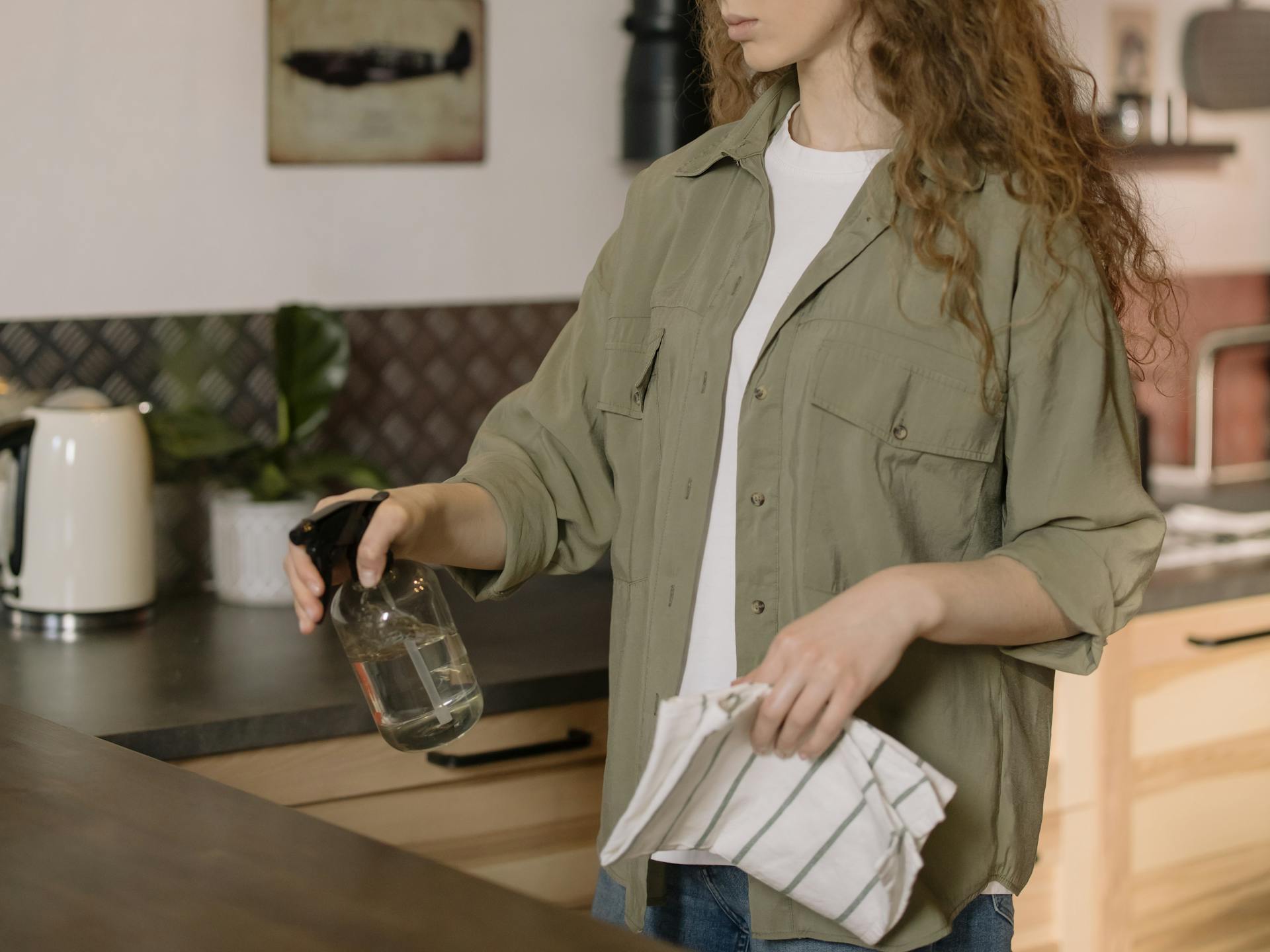
White vinegar and water also create an excellent pet-safe all-purpose cleaner if they happen to lick the surfaces. Mix equal parts vinegar and water for daily cleaning, or use straight vinegar for tough stains.
Baking soda is both a deodorizer and a cleaner. Sprinkle it on carpets before vacuuming to remove odors, or create a paste to use on pet dishes. It’s safe for daily use but hard on stinky odors.
Castile soap is tough cleaning without the chemicals. Mix with water for mopping or cleaning pet areas, and it washes off without toxic residue.
Read More: Small Closet, Big Ideas: Smart Storage Solutions
Odor-Busting Solutions That Work
Pet odors require attention before they penetrate fibers and floors. For fresh accidents, blot liquids immediately; never rub, which pushes moisture deeper. Sprinkle baking soda on the area and let it sit for 15 minutes before vacuuming.
Prepare enzyme cleaner with warm water, white vinegar, and a few drops of dish detergent. Enzyme cleaners break down organic matter with residual odours, as opposed to odour masking products that just hide odours.
For upholstery, prepare equal parts of vinegar and water in spray bottles. Spray the stained spots lightly and let them air-dry completely. Vinegar smell fades in minutes, taking the pet’s smell with it.
Fight litter box odor with ventilation and daily cleaning. Place open containers of baking soda near them to neutralize the air space between cleanings.
Read More: How to Organize Your Pantry for Real Life
Acceptable Fur Control Practices
Pet hair accumulates overnight, but daily removal maintains control. Vacuum traffic areas daily with high suction and pet attachments. HEPA filters trap allergens and fine hair that standard filters can’t trap.
Dryer sheets are a miracle for upholstered furniture—wipe surfaces with them to loosen hair trapped in the fabric for vacuuming. Hair is simpler to eliminate and won’t cling thanks to anti-static qualities.
Rubber gloves dampened with water collect pet hair through static electricity. Run gloved hands over surfaces and watch hair gather for elimination.
Wash pet bedding weekly in hot water to remove hair, dander, and oils that contribute to home odors. Use white vinegar in rinse cycles for a cleaner power.
Success Daily Routine
Establish the routines that will prevent issues from compounding. Wash pets’ paws after outdoor playtime to reduce dirt tracked indoors. Brush pets every day to reduce home shedding.
Have cleaning products within reach where messes are most likely to occur. Time is of the essence, as it prevents stain complications and odors from becoming bigger problems.
Place washable mats in heavy-traffic areas like entrances and where pets frequent. They protect floors and provide you with easy-to-clean surfaces.
Your pet-friendly cleaning practice doesn’t have to break the bank or your back. With non-toxic cleaners and regular cleaning routines, you’re enjoying a clean home that’s welcoming to the entire family—four-legged family members too.
Read More: How to Reduce Your Water Bill Without Sacrificing Comfort